A healthy, lush lawn benefits the environment. LEARN MORE
 (218) 454-0604
 Client Hub (218) 454-0604 Client Hub (218) 454-0604


Weeds can undo a healthy lawn quickly. This guide gives practical, proven steps for Minnesota lawns: identify common weeds, prevent them seasonally, and treat outbreaks efficiently — including lower‑impact options so you can protect your landscape without extra work.
Accurate ID is the key to effective control. Minnesota lawns face broadleaf and grassy weeds that compete with turf for light, water, and nutrients; recognizing visual clues lets you choose cultural care, a spot fix, or a pre‑emergent barrier.
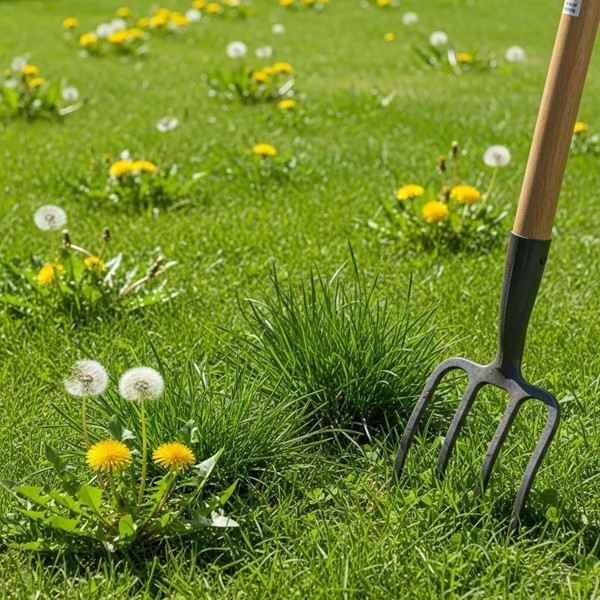
Broadleaf weeds have wider leaves and visible flowers, often forming a low rosette. Dandelions produce jagged rosettes, bright yellow blooms, and fluffy seed heads; their deep taproots make early removal important. See image at bottom.
Grassy weeds and sedges can resemble turf. Crabgrass and foxtail form coarse clumps; sedges have a distinct triangular stem and tight tufts. Check leaf texture, growth habit, and stem shape to tell them from desirable grass.
Prevention is cheaper and easier than cleanup. A dense, healthy lawn shades the soil and reduces seedling survival. Use proper mowing, watering, and nutrient management plus timely pre‑emergent applications for consistent year‑round defense.
Mow at about 2.5–3 inches to promote deeper roots and shaded soil. Water infrequently, and fertilize throughout the growing season to avoid under- or over-feeding. These basics help turf outcompete invading weeds.
Pre‑emergents stop seeds from germinating. In Minnesota, apply in early spring just before soil temps reach roughly 55°F (13°C). Follow label rates and timing to balance effectiveness and environmental care.
JLC Turf Services offers professional pre‑emergent and grub control services, timed and selected for local conditions to reduce weeds and pests.
When weeds appear, match the method to the species and scale: hand removal or spot treatments for small patches, selective post‑emergent herbicides for larger problems, and non‑selective products only where you want all vegetation removed.
Post‑emergents target actively growing weeds. Selective formulas control broadleaf or grassy weeds while sparing turf; non‑selective products kill everything they contact and require careful use. Always follow label directions to protect turf and the environment.
Correct herbicide selection and timing matter — improper use can contribute to herbicide resistance and reduce long‑term control effectiveness.
Lawn Weed Management: Herbicide Resistance & Turfgrass Control
Research and field reports emphasize that inconsistent herbicide practices can speed the development of resistance. Studies and industry surveys highlight turfgrass weed control challenges and the need for integrated strategies to keep herbicides effective.
Pull small weeds while young and before they set seed. Use tools for deep roots and spot spray only isolated plants to limit product use. Tough perennials may need repeated removal plus targeted herbicide application.
JLC Turf Services provides customized plans combining cultural care, spot treatments, and selective herbicides to restore lawn health efficiently.
Lower‑impact options can reduce weeds while protecting beneficial organisms, but they work best alongside a healthy lawn program. Use them for small problems or where turf recovery is planned.
Growing concern about pesticide impacts has led many homeowners to explore safer alternatives and integrated strategies that reduce overall pesticide use.
Lawn Pesticides: Health, Sustainability & Alternative Strategies
Reviews of lawn pesticide use discuss health and environmental concerns, gaps in toxicity data, and policy approaches to reduce reliance on persistent chemicals. Practical alternatives and precautionary strategies can help lower pesticide use while protecting lawn health.
Household vinegar (5% acetic acid) has limited effect; horticultural‑strength vinegar (~20% acetic acid) desiccates exposed weeds on contact but can harm nearby plants. Salt kills weeds but damages soil and turf, so restrict it to hard surfaces or tiny spots. These methods suit isolated weeds, not widespread infestations.
Mulch blocks light to weed seeds, suppresses germination, conserves moisture, and improves soil as it decomposes. Apply a 2–3 inch organic layer in beds and around plantings to reduce hand weeding and herbicide use.
Combine accurate identification, prevention, and targeted treatment to keep weeds from taking over. With a seasonal plan and occasional professional help, most homeowners can maintain a healthy, attractive lawn. JLC Turf Services offers tailored programs to support your goals.
What are the long‑term benefits of a weed‑free lawn?
A weed‑free lawn looks better, costs less to maintain, and supports healthier turf that resists pests and stress. Reduced weed pressure means fewer chemical treatments and a more balanced yard ecosystem over time.
How can I tell if my lawn is healthy enough to resist weeds?
Dense, evenly green turf that recovers quickly from traffic or drought is a good sign. Few bare spots and deep roots indicate strength. A soil test reveals nutrient and pH needs — correcting those helps turf outcompete weeds.
What should I do if my lawn has a severe weed infestation?
Identify the dominant species, then use a coordinated plan: selective herbicides for targets, overseeding to thicken turf, aeration to improve soil, and follow‑up maintenance. A professional assessment can speed recovery and prevent repeats.
Are there specific times of year that are best for weed control?
Yes. Early spring for pre‑emergents, late spring to early summer for annuals, and fall for perennial weeds as they move nutrients to roots. Monitor soil temperatures and weather to choose the ideal window.
How do I build a lawn care schedule to manage weeds?
Make a seasonal checklist: early spring — pre‑emergent and aeration if needed; late spring/summer — monitor, spot treat, mow correctly; fall — overseed, fertilize, and address persistent weeds. Use a calendar or app to stay on track.
What role does soil health play in weed management?
Soil health is foundational. Balanced nutrients, proper pH, organic matter, and loose, uncompacted soil support dense turf that naturally suppresses weeds, reducing long‑term pressure and improving resilience.