Client Hub
A healthy, lush lawn benefits the environment. LEARN MORE


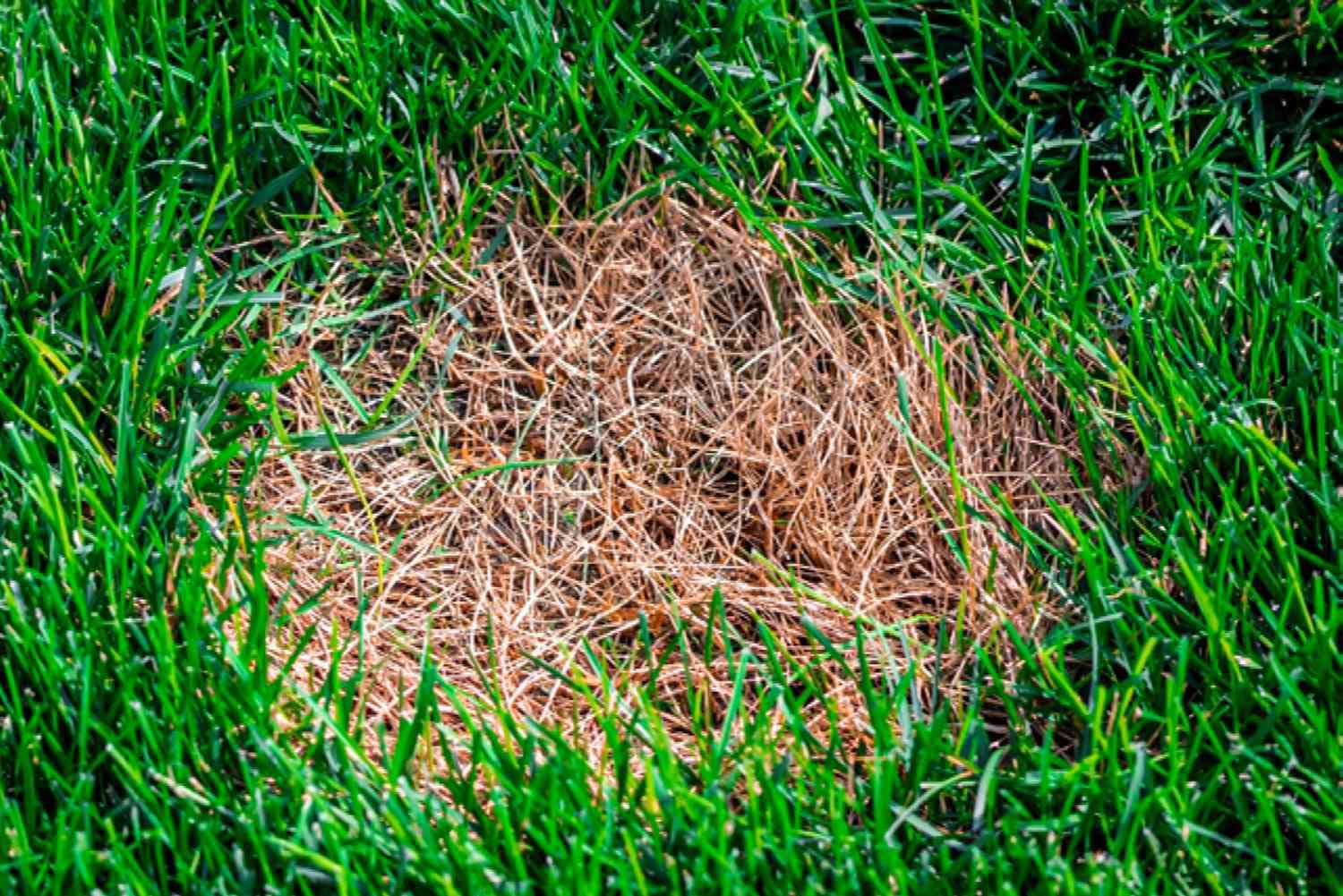
Brown patch disease is a common fungal infection that affects lawns, particularly in warm, humid climates. Identifying its symptoms early can help homeowners take proactive steps to mitigate damage and restore the health of their lawns. One of the most telling signs of brown patch disease is the appearance of circular dead patches on the grass, often measuring between 15 inches to several feet in diameter. These patches typically begin as small, browning areas that gradually expand, revealing a darker ring surrounding the dead grass. This contrast in color can be starker in the morning dew or after rainfall when the affected areas can appear even more pronounced.
In addition to the visual symptoms, brown patch disease often causes grass blades to exhibit a significant change in texture. Infected grass may develop a water-soaked appearance, turning slimy and mushy, rather than remaining crisp and resilient. Homeowners may also notice a distinctive musty smell in severely affected areas. As the disease progresses, the fungi can thrive in heat and moisture, making lawns particularly vulnerable during hot summer months. Recognizing these symptoms early not only aids in effective management and treatment but also helps maintain the aesthetic appeal and vitality of outdoor spaces. Given its potential to disrupt lawn health, early detection and appropriate intervention are key to preventing brown patch disease from spreading.