A healthy, lush lawn benefits the environment. LEARN MORE
 (218) 454-0604
 Client Hub (218) 454-0604 Client Hub (218) 454-0604


A thick, healthy lawn in Minnesota starts with a smart fertilization plan that matches our seasons and soil. This guide explains when and how to fertilize so your grass has the nutrients it needs year-round. You’ll learn the best application windows, how local rules affect fertilizer choices, which products work well here, and how to build a simple calendar for your yard.
Timing matters in Minnesota because our growing season is short and weather changes fast. Apply nutrients when grass is actively growing so the lawn uses them efficiently and you avoid waste and runoff.
For most lawns, fertilize in spring as green-up begins — generally mid-April through early May — to give young shoots a strong start. Fall is the most important application: aim for mid-September to early October so grass can store energy for winter and recover sooner the next spring.
Most lawns do well with two to three applications per year: an early spring feeding and a fall feeding are the priorities. A third spot treatment in late spring or mid-summer can help lawns showing nutrient deficiency. Avoid heavy late-fall (October) applications, which can spur tender growth that won’t survive winter stress.
JLC Turf Services provides professional lawn care solutions , including customized fertilization schedules so your lawn gets the right product at the right time. Their team tailors plans to your yard and local conditions.
Knowing local rules helps you care for your lawn without harming lakes and streams. Minnesota limits phosphorus use on lawns unless a soil test shows it’s necessary — that affects which fertilizer you can apply.
The law restricts phosphorus (P) fertilizer on established turf unless a soil test indicates a deficiency. The goal is to reduce P runoff into waterways, which can fuel algal blooms and harm water quality. Homeowners should check soil results before adding P.
The rule came after tests showed many Minnesota lawns already had high phosphorus levels, prompting statewide action driven by agricultural research and water-quality concerns.
Start with a soil test to see what nutrients your lawn actually needs. If phosphorus is low, choose products that meet state rules; if P is adequate, select phosphorus-free formulas. Using slow-release options and following label rates reduces runoff and keeps nutrients available longer.
The right product depends on your grass type and soil. Cool-season grasses common in Minnesota respond well to balanced formulas and benefit from products that support roots and winter hardiness.
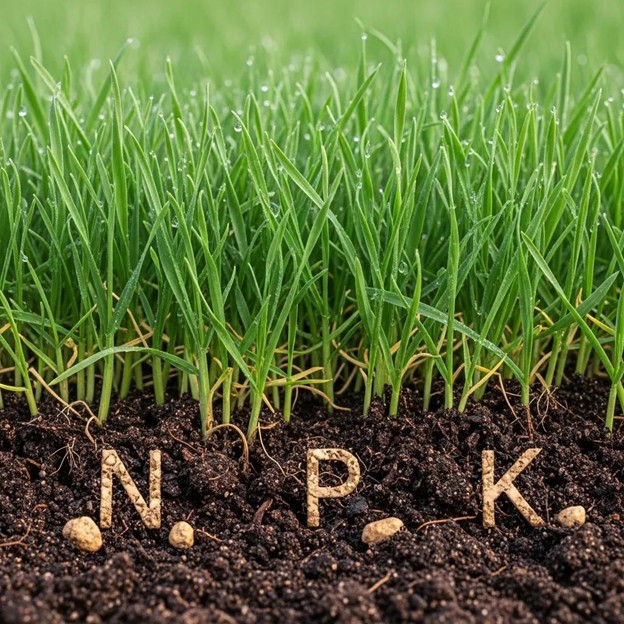
Cool-season lawns often do well with NPK ratios around 3-1-2 or 4-1-2, which provide steady nitrogen for top growth and enough potassium to help roots and stress resistance.
Yes — organic fertilizers release nutrients slowly and build soil health over time, improving microbial activity and long-term fertility. They may require more frequent applications than synthetics, so weigh convenience against soil benefits when choosing products.
The information below shows common product types and typical uses to help you pick a fertilizer that matches your lawn goals.
• Synthetic Fertilizer: 30-0-4, Fast spring green-up.
• Organic Fertilizer: Varies, Builds long-term soil health.
• Slow-Release Fertilizer: 20-5-10, Steady nutrient release over time.
A simple seasonal calendar makes fertilizing manageable and effective. Stick to the key application windows and adjust timing based on weather and soil test results.
April : Apply a spring fertilizer as new growth appears.
June or July : Optional mid-season feeding if the lawn shows signs of nutrient need.
September : Apply a fall fertilizer to strengthen roots and store energy for winter.
Avoid heavy late-fall (October) feeding — it can trigger tender growth that won’t tolerate winter stress.
Use soil test data to guide what and when you apply. If nitrogen is low, you may need more frequent N applications; if phosphorus is adequate, switch to P-free products to follow state rules. Tailoring your plan to test results saves money and protects water quality.
Follow these steps or work with JLC Turf Services to set up a fertilization program that fits your lawn’s needs and Minnesota rules.
What are the signs that my lawn needs fertilization?
Look for pale or yellowing grass, slow or thin growth, bare or patchy spots, and weeds taking over. If watering doesn’t help, a nutrient shortage may be the cause. A soil test provides a clear diagnosis before you fertilize.
Can I fertilize my lawn during a drought?
It’s best to avoid fertilizing during drought. Stressed grass won’t use nutrients well, and you risk runoff or burning. Wait for steady moisture from rain or irrigation before applying fertilizer and focus first on helping the lawn recover.
How can I improve my lawn's soil health?
Improve soil with regular testing, aeration, and added organic matter like compost. Aerating reduces compaction so air and water reach roots. Amending soil and using organic inputs over time builds better structure and nutrient-holding capacity.
What is the best way to apply fertilizer?
A broadcast spreader gives the most even coverage for granular products — follow label rates carefully. Apply granular fertilizer to dry grass so it won’t clump, then water lightly to activate it. For liquid feeds, spray during cooler parts of the day to reduce evaporation.
Are there any environmental concerns with lawn fertilization?
Yes. Excess nitrogen and phosphorus can wash into lakes and rivers and cause algal blooms. To protect water quality, follow local rules (like Minnesota’s phosphorus law), use slow-release products, and apply at recommended rates and times.
How does lawn aeration complement fertilization?
Aeration opens the soil so fertilizer reaches the root zone more effectively. It reduces compaction and improves water and nutrient uptake. For best results, aerate before you fertilize so nutrients move into the holes and down to the roots.
A clear seasonal fertilization plan is a reliable way to get a thicker, healthier lawn in Minnesota. Use soil tests, respect local phosphorus rules, pick the right products for your grass, and time applications for spring and fall. If you prefer professional help, JLC Turf Services can design and apply a tailored schedule to keep your lawn looking its best.