


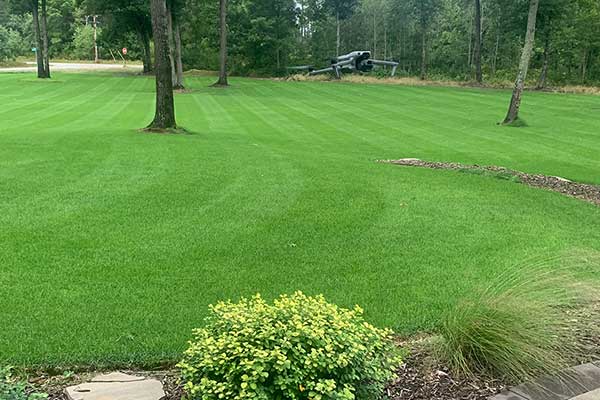
Grass doesn't just disappear for no reason. When a spot goes thin or bare, something pushed it there.
That matters because seed can't fix the cause. It only fills the gap. If the problem is still there, the new grass runs into the same trouble the old grass did.
Here are the usual causes we look for before any seed goes down.
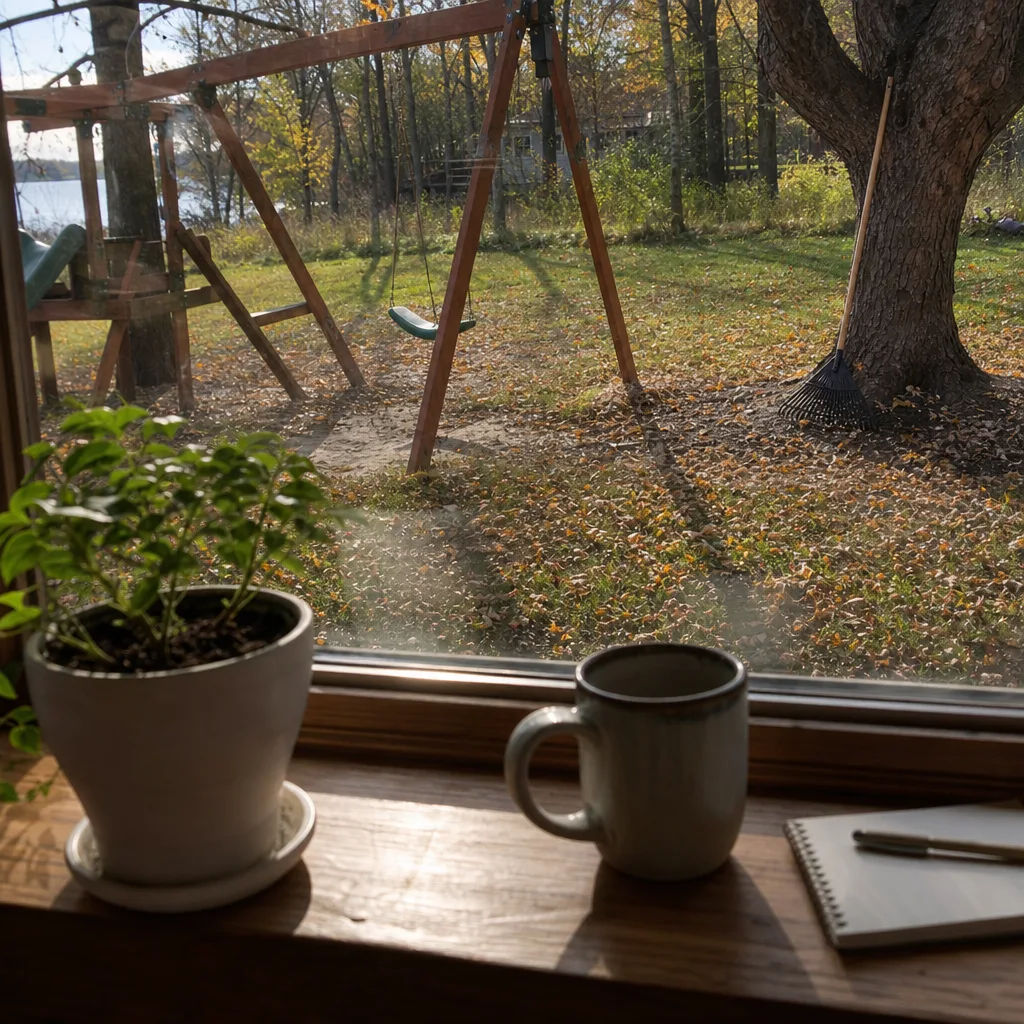
Sometimes it's just one of these. Often it's two or three working together. A shady corner with compacted soil and a sprinkler head that's off by a few feet can go thin pretty fast.
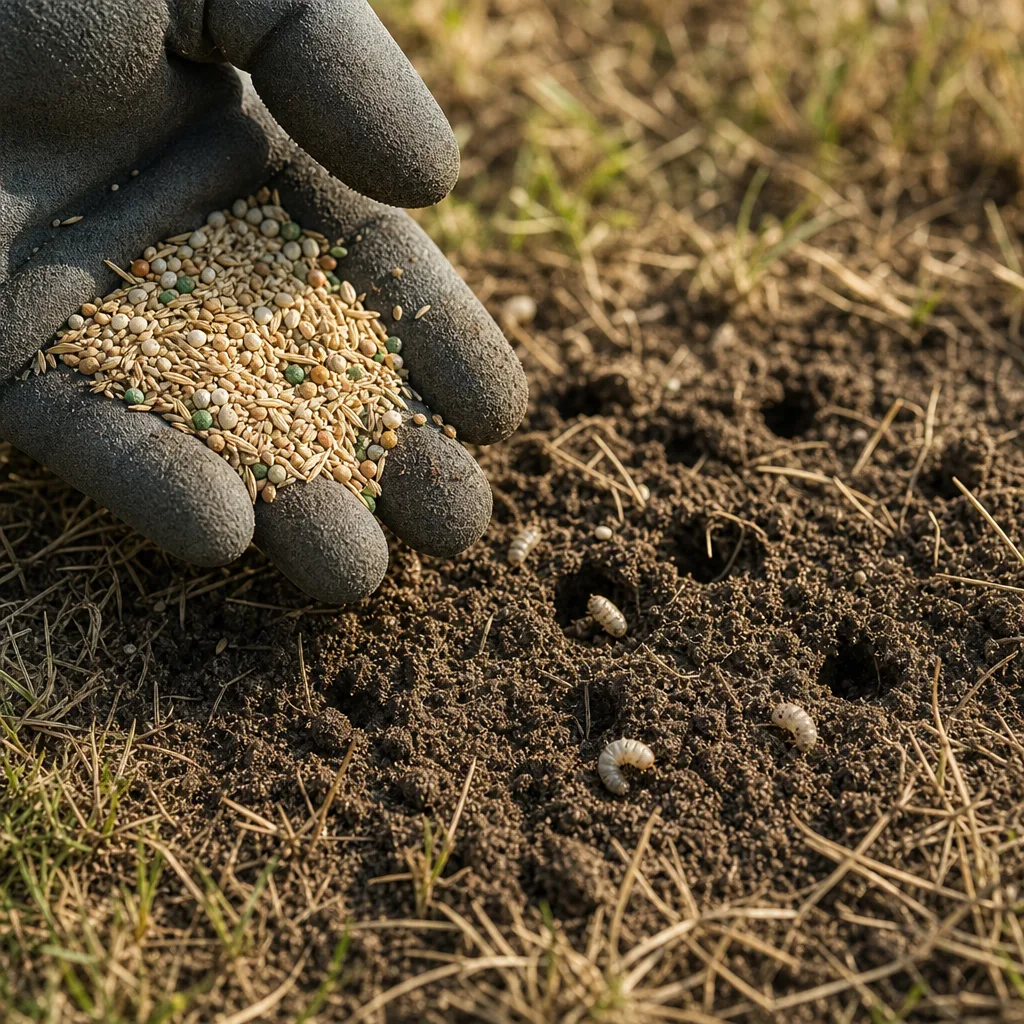
Here's a simple test you can try. Grab a handful of the dead grass in a patch and give it a gentle tug. If it lifts up easily with almost no roots attached, grubs may be the reason. If it's rooted firmly but brown, look at disease, drought, or winter damage instead.
Also look at the shape. Straight lines along a path point to foot traffic. Round spots or rings point to disease. A big patch that showed up right after the snow melted points to winter damage.
Each cause has its own fix. Grubs need grub control. Fungus needs lawn disease treatment. Hard, packed soil does better after core aeration loosens it up. Those each have their own page, so we won't go deep on them here.
Watering is a big one for us. We only work with customers who have in-ground irrigation systems. New seed needs steady moisture to sprout and root, and a working system takes the guesswork out of that. If your sprinklers are leaving dry strips, it's worth getting the heads adjusted before you seed.
This is the real point. Reseeding works best when you treat it as the last step, not the first one. Fix what thinned the lawn, then seed. That's how the new grass gets a fair shot at filling in and staying thick.
It's also why our reseeding is part of a yearly turf plan, not a one-time visit. The things that cause bare spots, like grubs, disease, and winter wear, don't happen just once. Keeping an eye on them through the year helps protect the new grass after it comes in.
Call NowA failed reseeding job almost never looks like a failure at first. The seed sprouts. The patch turns green. For a few weeks, it looks like the problem's gone.
Then the new grass starts to fade, usually in the same spot and in the same shape as before. Sprouting isn't the win. Staying thick through the next season is.
Each cause wrecks new grass in its own way.
There's a second problem with bare spots that keep coming back. Weeds love open soil. Every time a patch fails, it gives weeds another chance to move in before the grass does.
Then there's the cost of doing it twice. You pay for seed, labor, and water the first time. When it fails, you pay for all of it again, and you've lost a growing season in a place where the warm months don't last long.
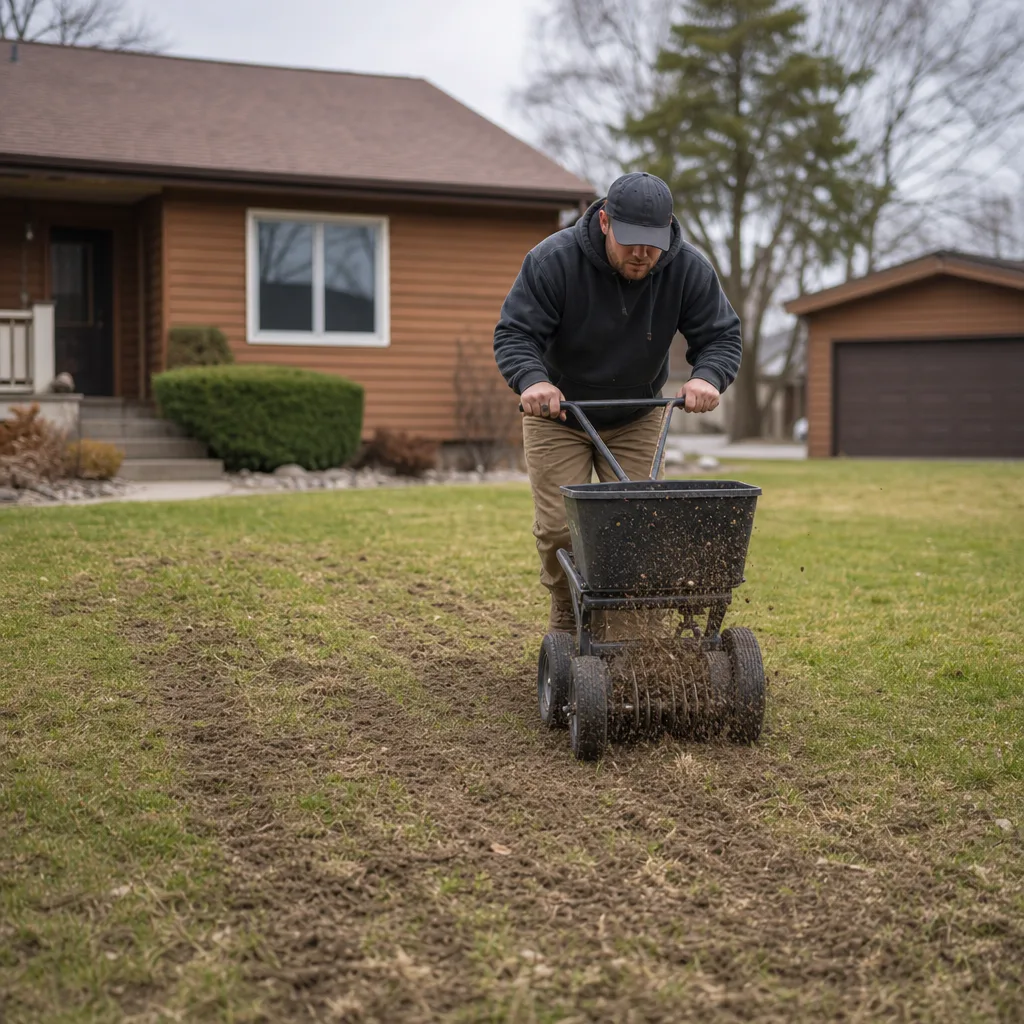
It helps to know how reseeding is usually priced. Most providers base it on a few things.
That last one matters most. A low price that only covers seed can end up costing more if you have to redo it next year.
That's why we look at reseeding as one piece of our lawn treatment services, not a stand-alone patch job. The seed works better when the problem under it is already being handled.
If you're talking to anyone about reseeding, us included, these questions will tell you a lot.
If the answers are fuzzy, the seed is being asked to do a job it can't do by itself.
Picture a strip along the side of the house that's been seeded two springs in a row. Both times it came in green and was thin again by fall. That's not bad seed. That's a cause nobody dealt with.
Not every bare spot needs us. Some don't need anybody at all.
If you've got one or two small patches and you know exactly what made them, you can likely handle it yourself. The cause-first rule still applies. It's just easy to follow when the cause is obvious and already gone.
Here are some spots that usually fall into that group:
In each of these, something sat on the grass or hurt it once, and then it stopped. Nothing is still working on the soil, so the new seed has a fair shot.
For spots like these, a bag of patch seed from the hardware store works fine. Follow the label and keep the spot from drying out while it sprouts.
Check the grass around the patch, too. If it's thick and green and holds tight when you tug it, the lawn is healthy. You're only filling a hole.
Sometimes the right move is to do nothing for a few weeks.
Matted, gray patches right after the snow melts can look dead, but they aren't always. Give them a light rake to fluff the blades up, then wait. A lot of that grass greens back up on its own once the soil warms.
The same goes for grass that turns brown during a hot, dry stretch. It may just be dormant. If the crowns are still firm, it's resting, not gone. Seeding over grass that's about to come back wastes seed and money.
There's one more honest point. We work with customers who have in-ground irrigation and sign up for our yearly turf plan. If that's not you, or you'd rather not commit to a full year for one small patch, doing it yourself is a perfectly good choice.
Small spots stop being simple when they start acting like the patterns we talked about earlier:
Any of those signs means something is still going on under the surface. More seed won't change that.
If you've got a single bare spot from the dog or a forgotten tarp, save your money and seed it yourself. If you're looking at a lawn that keeps thinning out and you can't say why, that's a different job.
In Brainerd, when you seed matters almost as much as whether you fixed the cause. We don't get many good weeks for new grass, so each attempt counts.
Lawns up here are mostly cool-season grasses. They grow best when the days are mild and the nights are cool. That gives us two real chances each year, and one of them is a lot better than the other.
Late summer into early fall is the best time to seed. The soil is still warm from summer, which helps seed sprout fast. The air is cooling off, so young grass isn't fighting the heat. Weeds are slowing down, too, so there's less competition for open soil.
The catch is that fall doesn't last long here. New grass needs enough weeks to root before the ground freezes and the snow settles in for the winter. Seed too late, and the young grass goes into a long Brainerd winter with roots too short to hold on.
Spring is the second choice. It can work, but it's harder. The soil warms slowly after the snow melts, so seed sits longer before it sprouts. Then summer heat shows up while the new grass is still young and shallow-rooted. Weeds are also waking up at the same time and racing for the same bare soil.
Midsummer is the toughest time of all. Heat and dry spells are hard on brand-new grass, even with steady watering.
Here's where the calendar and the cause-first rule run into each other. Fixing what thinned the lawn takes time, and it has to happen before the seeding window, not during it.
If you wait until late summer to start asking why your lawn is thin, the best window may close before the cause is handled. Then you're choosing between seeding over a problem or waiting until spring.
A failed fall seeding costs more than seed. It can push your next real chance back close to a full year. In a place with a short season, that's a lot of time to look at a patchy lawn.
This is a big reason our reseeding is part of a yearly turf plan. Over a full year, there's time to spot the cause, treat it, and be ready when the good seeding weather shows up. The seed then goes down at the right time, on ground that's ready for it.
So if your lawn keeps thinning and you're not sure why, it's better to start in spring or early summer than in September. That gives you room to fix the problem first.
Call NowWe work with customers who have an in-ground irrigation system. That's not us being picky. Water is the one thing new seed can't go without, even for a short time.
Once seed soaks up water and starts to sprout, there's no going back. If the soil dries out at that stage, the tiny sprout dies. It doesn't wait for the next rain. It's just gone.
That means the top of the soil has to stay damp, day after day, until the young grass has real roots. Even one hot, windy afternoon can undo a week of progress.
Dragging a hose around can work for a small spot. For a bigger area, it's tough to keep up. Most people miss a day, water one corner more than another, or go out of town for a weekend. The seed doesn't care why it dried out.
An in-ground system runs on a timer. It waters whether you're home, at work, or up at the cabin. It reaches the same spots the same way every time, so the whole seeded area gets an even chance.
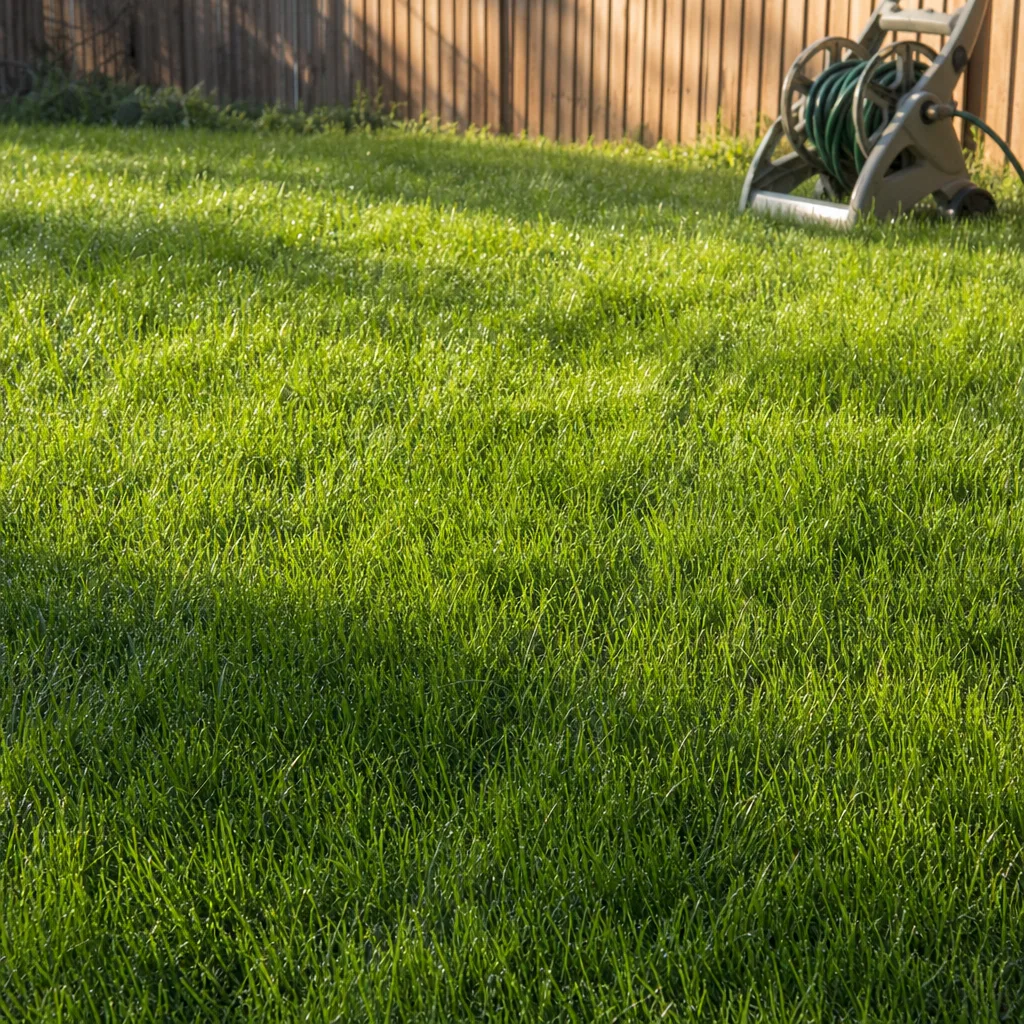
Timing matters here, too. As we covered above, the best seeding weeks in Brainerd fall in late summer and early fall, and that window is short. Dry spells can still hit then. If the seed fails from lack of water, there may not be time to try again before the ground freezes.
Watering also connects back to the cause-first idea. A system that leaves dry strips or soggy spots can be part of why the lawn thinned in the first place. Seeding on top of that just repeats the problem.
So before reseeding, it's worth taking a close look at your system. Here's what to check:
If something on that list is off, get it fixed before seed goes down. A sprinkler head that misses a patch by a couple of feet will leave that patch thin, no matter how good the seed is.
There's a second part to this. Our reseeding comes as part of a yearly turf plan, so the new grass gets looked after all season long, not just during the first few weeks.
If you don't have in-ground irrigation, we're not the right fit for reseeding right now. For a small patch with a clear cause, doing it yourself with a hose and some patience is a fine choice.
Call Now
